Running a school today is no longer just about classrooms and teachers. From fee collection to attendance tracking, communication with parents, and online exams everything needs to be fast, accurate, and digital.
That’s where a school ERP system comes in.
If you’re wondering how to manage a school online system or searching for the best ERP software for CBSE schools or coaching institutes, this guide breaks it down in a practical, real-world way.
What Does “Managing a School Online System” Actually Mean?
Managing a school online system means shifting your entire school operations to a centralized digital platform.
Instead of:
-
Manual registers
-
Excel sheets
-
WhatsApp chaos
-
Delayed fee tracking
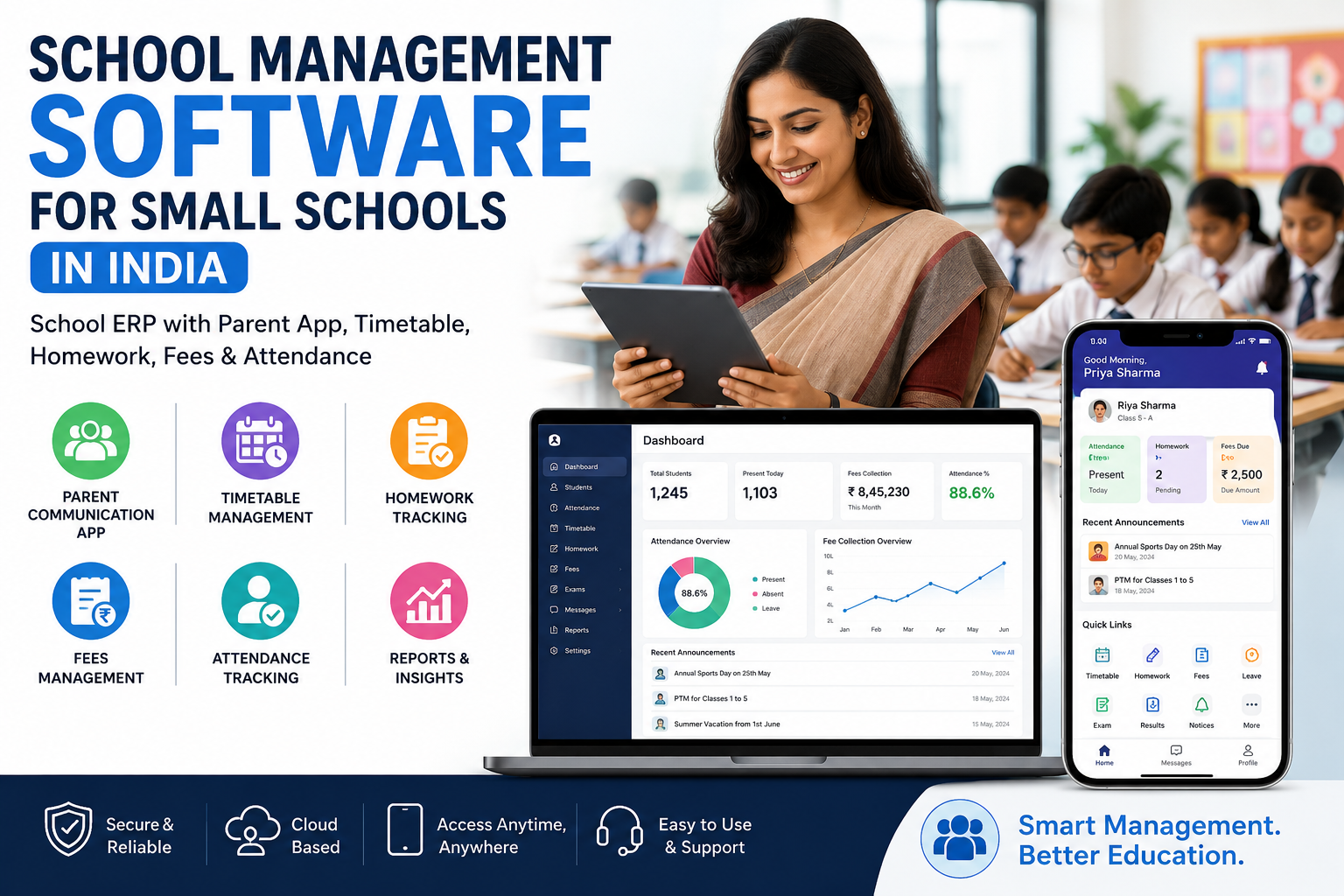
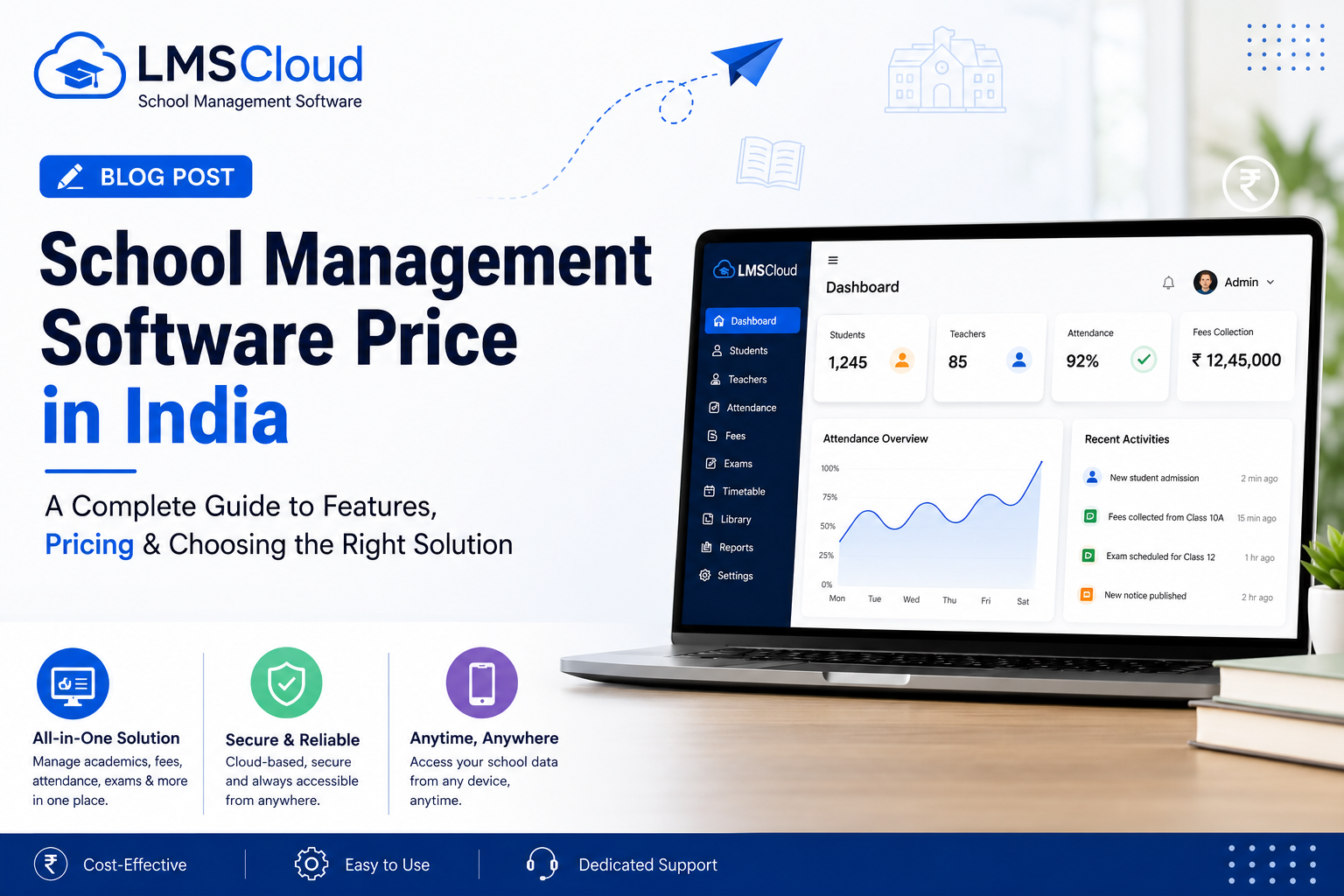
You manage everything in one dashboard:
-
Admissions
-
Fees
-
Attendance
-
Exams
-
Timetable
-
Parent communication
This is exactly what platforms like LMSCloud are built for simplifying school operations through cloud-based systems.
Why Schools in India Are Moving to ERP Systems
Most schools don’t adopt ERP because it’s “trendy.” They adopt it because manual systems break at scale.
Common Problems Without ERP:
-
Fee payments are delayed or mismanaged
-
Attendance records are inconsistent
-
Parents are constantly calling for updates
-
Teachers spend more time on admin than teaching
-
No real-time data for decision making
For CBSE schools and coaching institutes, these issues directly impact reputation and growth.
How to Manage a School Online System (Step-by-Step)
Here’s a practical breakdown based on how successful schools actually implement ERP systems:
1. Centralize All Data in One Platform
The first step is eliminating scattered systems.
A good ERP consolidates:
-
Student records
-
Fee data
-
Staff information
-
Academic progress
This creates a single source of truth.
2. Automate Fee Management
Fee collection is one of the biggest operational headaches.
With ERP:
-
Automated fee reminders
-
Online payments
-
Instant receipts
-
Pending fee reports
This alone can reduce admin workload by 40–60%.
3. Track Attendance in Real-Time
Manual attendance registers are outdated.
With a school ERP with attendance and mobile app:
-
Teachers mark attendance digitally
-
Parents get instant updates
-
Reports are auto-generated
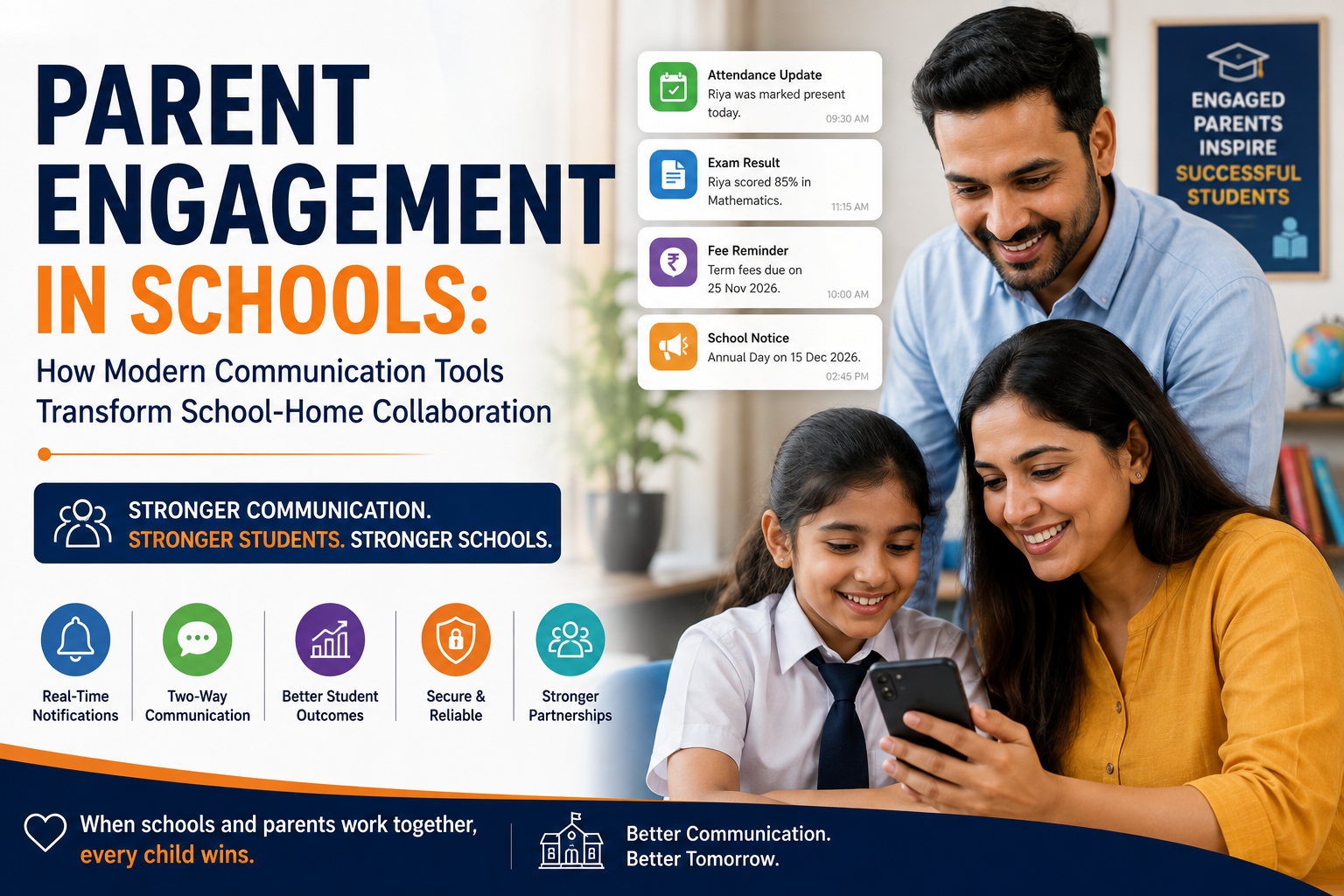
4. Enable Seamless Parent Communication
Parents today expect transparency.
ERP systems provide:
-
Mobile apps for parents
-
Homework updates
-
Notices and announcements
-
Performance tracking
This improves trust and reduces unnecessary calls.
5. Conduct Online Exams & Assessments
Especially for coaching institutes, online testing is critical.
With ERP:
-
Create exams
-
Auto-evaluate
-
Generate reports
-
Track performance trends
6. Manage Timetable & Homework Efficiently
Instead of confusion and last-minute changes:
-
Digital timetable updates
-
Homework tracking
-
Teacher coordination
Everything stays structured and accessible.
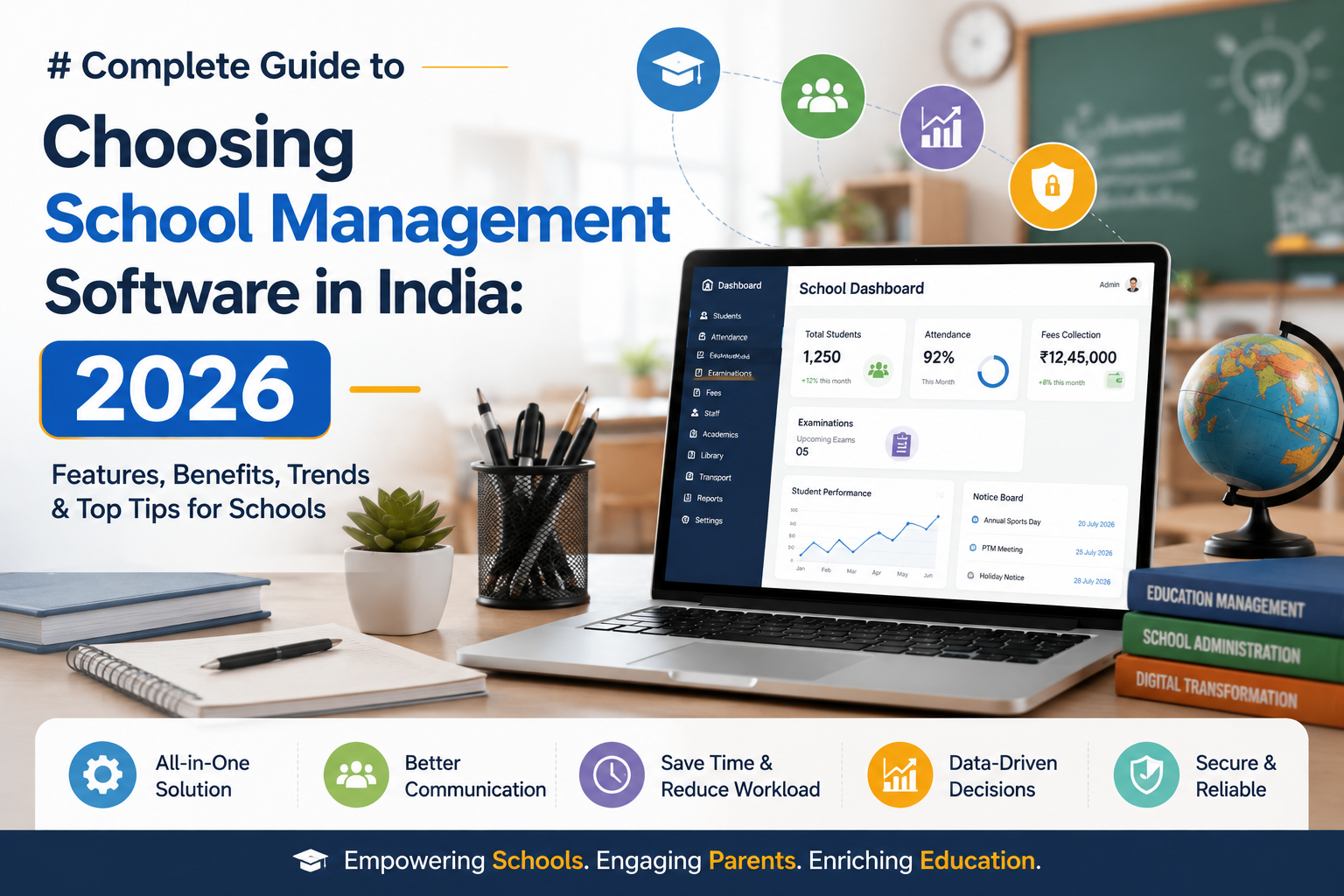
Best ERP Software for CBSE Schools: What to Look For
Not all ERP systems are built the same. If you’re a CBSE school, here’s what actually matters:
Must-Have Features:
-
CBSE-compliant reporting
-
Fee management system
-
Attendance + mobile app
-
Online exams module
-
Parent communication app
Important Factors:
-
Easy to use interface
-
Affordable pricing (important for Indian schools)
-
Cloud-based access
-
Reliable support
Platforms like Teachmint and Fedena are commonly used, but many schools are shifting to more cost-effective and simpler solutions like LMSCloud that focus on usability and scalability.
School ERP for Coaching Institutes: Why It’s Different
Coaching institutes have different needs compared to schools.
Key Requirements:
-
Batch management
-
Online test series
-
Student performance analytics
-
Fee tracking by course
-
Attendance by batch
A generic ERP won’t work here.
You need a system designed for:
-
High student turnover
-
Multiple batches
-
Frequent assessments
Real Impact: What Changes After Implementing ERP?
Schools that adopt ERP systems typically see:
-
50% reduction in administrative workload
-
Faster fee collection cycles
-
Better parent satisfaction
-
Improved student performance tracking
-
Data-driven decision making
More importantly, the school becomes future-ready.
Why Cloud-Based School ERP Is the Future
A cloud-based ERP means:
-
Access from anywhere
-
No hardware dependency
-
Automatic updates
-
Secure data storage
This is why modern solutions like LMSCloud focus on cloud + mobile integration to make school management flexible and scalable.
Final Thoughts: Choosing the Right ERP System
If you’re serious about growth, digitization is not optional anymore.
Whether you run:
-
A CBSE school
-
A private school
-
A coaching institute
A school ERP system is the backbone of efficient operations.
The right system will not just save time—it will:
-
Improve your reputation
-
Increase operational efficiency
-
Strengthen parent trust
Ready to Digitize Your School?
If you’re looking for a simple, affordable, and scalable school ERP, it’s time to explore a solution that fits Indian schools—not complicated foreign systems.
Book a demo and see how your school can go fully digital in days, not months.
1. How can I manage my school online system effectively?
By using a school ERP that automates fees, attendance, exams, and communication in one platform.
2. Which is the best ERP software for CBSE schools?
The best ERP includes CBSE-compliant features, fee management, attendance tracking, and parent communication tools.
3. Is ERP useful for coaching institutes?
Yes, especially for batch management, online tests, and performance tracking.
4. What is the cost of school ERP in India?
It varies, but most systems charge per student per month, making it affordable for small and large institutions.
5. Can small schools use ERP software?
Absolutely. Modern ERP systems are scalable and designed for schools of all sizes.